Mastering Sound Processing Techniques in Hearing Aids for Enhanced Auditory Experiences
Understanding the Basics of Analog Sound Processing in Hearing Aids
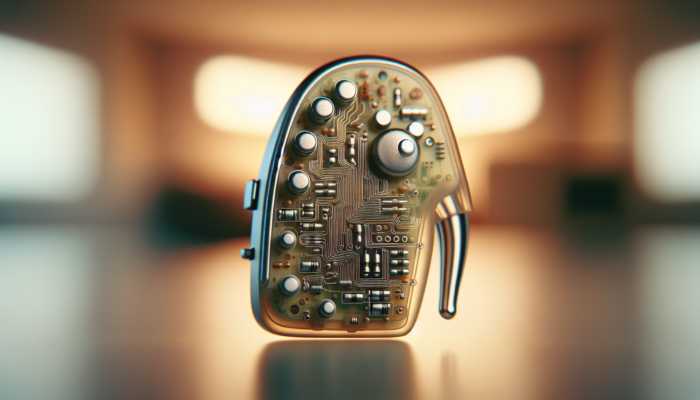
Analog hearing aids operate by directly amplifying sound waves, providing a crucial tool for individuals seeking to enhance their auditory experience. These devices primarily focus on volume control, but they often fall short in terms of enhancing the clarity of sound. This straightforward amplification method can be particularly beneficial for those with mild hearing loss, who may not require the advanced functionalities found in modern devices. Having served users for decades, analog aids represent a reliable solution for those wishing to amplify environmental sounds effectively. They deliver consistent amplification across all sounds in a given environment, which can be especially advantageous in quieter settings. While they may struggle with sound clarity and noise management, their affordability and ease of use contribute to their popularity among many users.
Those who use analog aids frequently appreciate the familiar and uncomplicated design these devices offer. Many report high satisfaction levels due to their cost-effectiveness and user-friendly operation. However, users might encounter difficulties in more complex auditory environments, such as bustling restaurants or lively social gatherings, where background noise can easily overpower the amplified sounds. The absence of advanced sound processing features can lead to frustration and a less than optimal auditory experience, demonstrating the importance of understanding the limitations inherent in analog technology across various listening scenarios.
Revolutionising Hearing Capabilities with Digital Sound Processing in Hearing Aids
Digital hearing aids have transformed the hearing aid industry by converting sound waves into digital signals. This advanced processing allows for precise adjustments in both clarity and volume, effectively catering to the individual hearing needs of each user. By utilising sophisticated algorithms, digital aids can distinguish between speech sounds and background noise, significantly enriching the listening experience for users. This feature is especially valuable in challenging auditory settings, enabling individuals to participate in conversations without straining to differentiate between sounds.
A standout characteristic of digital hearing aids is their capability to process sound in real-time. Users can immerse themselves in an auditory environment that is both rich and comfortable. Advanced digital models even assess their surroundings to automatically adjust settings based on the acoustic characteristics of the environment. This level of sophistication is essential for individuals facing moderate to severe hearing loss, allowing them to enjoy a more natural sound quality that enhances social interactions and reduces auditory strain, making everyday communication more enjoyable.
Evaluating Sound Quality: A Comparative Analysis of Analog and Digital Hearing Aids
The disparity in sound quality between analog and digital hearing aids is significant. Digital aids generally provide superior sound quality paired with enhanced noise reduction capabilities. Users of digital devices often report experiencing a more natural auditory environment, with the ability to filter out unwanted noise while concentrating on desired sounds, such as conversations. This selective amplification can lead to heightened satisfaction levels and improved communication in various social settings, enriching the user experience considerably.
In contrast, analog aids amplify all sounds uniformly, which can make it difficult for users to discern speech amidst background noise. For example, someone using an analog hearing aid in a crowded café may struggle to engage in meaningful conversation due to the overwhelming clatter from chatter and dishes. The ability of digital aids to selectively amplify specific frequencies allows for clearer sound distinctions, proving invaluable in daily communication. As digital technology continues to evolve, sound processing capabilities are advancing, ensuring users receive the best possible auditory experiences available.
Exploring Customisation Options Available in Hearing Aids
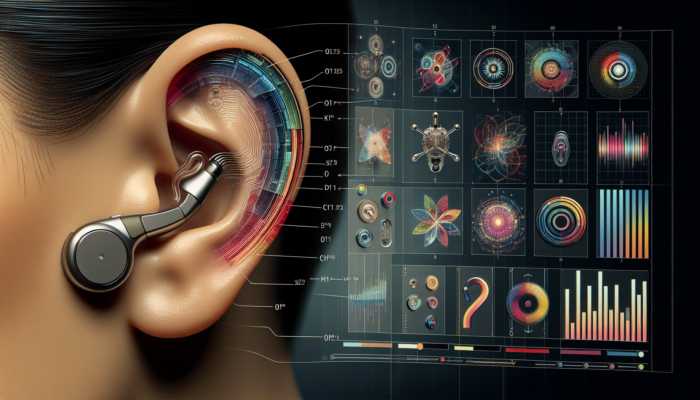
Understanding Customisation Limitations in Analog Hearing Aids
Customisation options for analog hearing aids are relatively limited. Users typically have the ability to adjust the volume manually, which may address basic hearing needs but lacks the fine-tuning capabilities that many users require. This simplicity can attract individuals who prefer a straightforward experience without technical complexities. However, the lack of customisation options can lead to discomfort in varying environments, as users may struggle to adapt their devices to the different sound levels and qualities they encounter throughout the day.
For people with specific hearing loss patterns, such as high-frequency loss, the inability to adjust sound frequencies presents a significant limitation. Analog aids usually lack the advanced programming options that digital aids provide, meaning users may find themselves modifying their listening environments rather than adjusting their devices. This situation can detract from their overall experience, leading individuals facing more complex hearing challenges to explore digital options with tailored settings that significantly enhance their auditory experience.
Maximising Personalisation with Digital Hearing Aid Customisation
Digital hearing aids are equipped with extensive customisation features that empower users to create personalised listening preferences aligning with their unique hearing profiles. These devices can be programmed with specific settings tailored for a variety of environments, including quiet rooms, bustling streets, or crowded gatherings. Users can access these custom settings through specialised software, providing them with the flexibility to adjust their hearing aids to suit their daily activities and particular auditory challenges.
The customisation tools available for digital aids significantly enhance user comfort and overall satisfaction. By tailoring the audio experience to meet individual requirements, users can revel in a more natural sound environment that facilitates seamless navigation through different auditory challenges. This personalised approach not only encourages more engaging and fulfilling social interactions but also improves overall quality of life. Many digital aids now feature smartphone connectivity, allowing users to make real-time adjustments, which further enhances their auditory experiences.
Enhancing User Experience by Leveraging Customisation Capabilities

The ability to customise digital hearing aids is vital for enhancing the user experience. Many users report that adjusting settings according to their surroundings leads to heightened comfort and satisfaction. This level of personalisation empowers users, enabling them to feel more in control of their hearing, which alleviates the stress often associated with navigating various listening environments. The freedom to adapt their hearing aids to suit different scenarios fosters greater engagement in conversations and activities, significantly enriching social interactions.
The precision offered by digital aids can foster increased confidence in social settings, where hearing challenges are common. Users can participate in discussions without the constant worry of missing critical details. This enhanced comfort not only improves their auditory experience but also positively impacts their overall well-being. The emphasis on personalisation serves as a significant advantage of digital hearing aids, contributing to a more enjoyable and fulfilling life for individuals experiencing hearing loss.
Exploring Advanced Customisation Tools and Software for Hearing Aids
A range of software tools is available for digital hearing aids, enabling users to make precise adjustments that align with their specific hearing requirements. These tools allow both audiologists and users to programme hearing aids based on individual preferences and types of hearing loss. Software enhancements can include frequency adjustments, noise reduction settings, and specific amplification levels tailored to the user’s environment, ensuring optimal auditory performance.
Modern digital hearing aids often feature companion apps for smartphones, allowing users to control their devices remotely. Through these apps, users can easily adjust volume levels or switch between settings. Such convenience not only simplifies the process of adapting to different environments but also promotes greater engagement with their hearing aids. With the integration of advanced technology, the customisation process has become increasingly user-friendly, ensuring that individuals can optimise their hearing experiences to fit their lifestyles effectively.
Investigating Technology and Features in Hearing Aids
Exploring the Fundamentals of Analog Technology in Hearing Aids
Analog hearing aids operate on simpler technological platforms, which, while effective for a broad range of users, often lack the advanced features that characterise modern hearing aids. Their primary function is to amplify sound, making them a cost-effective solution for individuals experiencing mild to moderate hearing loss. However, this simplicity comes at the expense of additional features that significantly enhance the listening experience, including Bluetooth connectivity and sophisticated sound processing algorithms.
The straightforward nature of analog technology may appeal to users who prefer minimal fuss and ease of use. These devices do not require complex programming or intricate adjustments, which can be a considerable advantage for older individuals or those who favour a traditional approach to hearing assistance. However, the trade-off is that users may miss out on the benefits provided by more advanced hearing technologies, particularly in complex auditory environments. As the demand for feature-rich options increases, many individuals are opting for digital aids to take advantage of the latest advancements in hearing technology.
Harnessing Digital Technology in Hearing Aids for Superior Performance
Digital hearing aids represent a significant advancement in auditory technology, featuring functionalities that greatly enhance the user experience. These devices utilise digital signal processing to deliver clearer sound quality, effective noise reduction, and feedback management. Many digital aids now offer Bluetooth connectivity, allowing users to stream audio directly from their smartphones or other devices, which is particularly beneficial for those who enjoy listening to music or participating in phone calls.
The incorporation of directional microphones within digital aids enables users to focus on sounds originating from specific directions while minimising background noise. This feature proves especially advantageous in crowded environments, such as busy restaurants or public transport, where distinguishing speech from surrounding noise poses challenges. The continuous evolution of digital hearing aids ensures that users can expect ongoing improvements in features and functionalities, keeping them at the forefront of hearing technology.
Anticipating Future Trends in Hearing Aid Technology
The future of hearing aid technology is bright, with digital devices poised to evolve further through ongoing research and development efforts. Emerging technologies, including artificial intelligence and machine learning, are set to revolutionise the hearing aid experience, potentially leading to even more personalised listening experiences where devices learn users’ preferences and automatically adjust settings based on their environments.
The integration of telehealth services within hearing care represents another exciting trend on the horizon. Remote programming and adjustments enable audiologists to fine-tune settings from a distance, providing users with enhanced convenience and accessibility. As digital hearing aids continue to adapt to the evolving needs of users, they are likely to become increasingly sophisticated, ensuring that individuals with hearing loss enjoy the best auditory experience possible.
Understanding Maintenance and Durability in Hearing Aids
Maintenance Essentials for Analog Hearing Aids
In terms of maintenance, analog hearing aids generally require less technical upkeep compared to their digital counterparts. Users often find that they need to make occasional volume adjustments, yet the simplicity of their technology translates to fewer components to manage. This straightforwardness can be appealing for users seeking a device that is easy to maintain without the necessity for regular software updates or intricate care.
While analog aids may demand less technical maintenance, they often require more frequent adjustments to ensure optimal performance. Users might need to visit audiologists for fine-tuning or repairs, as wear and tear can affect amplification quality over time. The durability of analog aids tends to be lower than that of digital aids, as the technology does not benefit from the robust materials and design enhancements seen in newer models, which are built to withstand daily use more effectively.
Maintenance Considerations for Digital Hearing Aids
Digital hearing aids, while generally more durable, require regular software updates and maintenance to function at their best. This includes periodic checks and adjustments performed by audiologists to refine settings and ensure the technology operates efficiently. The advanced features of digital devices, including noise reduction and feedback cancellation, may also necessitate updates to maintain their peak performance, ensuring users continue to benefit from optimal sound quality.
Despite the need for more frequent technical maintenance, many users find that the advantages of digital aids far outweigh the upkeep demands. Their increased reliability and longevity often make them a worthwhile investment. With proper care and routine check-ups, digital hearing aids can provide users with years of enhanced hearing experiences, proving to be a durable choice for those experiencing hearing loss in various environments.
Evaluating the Costs Associated with Hearing Aid Maintenance
The cost of maintenance for hearing aids can vary significantly between analog and digital devices. Analog aids typically have lower initial costs and minimal ongoing expenses, making them an attractive option for budget-conscious individuals. However, the frequent adjustments required may ultimately lead to increased long-term costs, as users will need to make regular visits to audiologists for maintenance and fine-tuning, potentially offsetting their initial savings.
Conversely, digital hearing aids generally feature higher initial prices and may involve more considerable ongoing costs due to software updates and potential repairs. Nevertheless, the advanced features and benefits they offer often justify the investment for users facing more complex hearing challenges. When evaluating the cost of maintenance, individuals must weigh both the financial implications and the overall improvements in quality of life that hearing aids can provide, ensuring that their choice aligns with their hearing needs.
Assessing Power and Battery Life in Hearing Aids
Power Consumption Patterns in Analog Hearing Aids
Analog hearing aids typically consume less power than their digital counterparts, resulting in extended battery life. This energy efficiency can be particularly advantageous for users who prefer to avoid the hassle associated with frequent battery replacements. The straightforward operation of analog devices allows users to rely on them for longer periods before needing to change batteries, which enhances the overall user experience and satisfaction.
While the extended battery life is a significant advantage, it is essential to recognise that the sound processing capabilities of analog aids are limited. Users may find themselves sacrificing sound quality and advanced features in favour of longevity. This trade-off underscores the importance of understanding personal hearing needs and how they align with available technology choices, ensuring that users select devices that best meet their auditory requirements.
Power Usage Trends in Digital Hearing Aids
Digital hearing aids typically consume more power due to their advanced processing capabilities and features. Consequently, users may have to change batteries more frequently compared to analog aids. Although this increased power consumption may be perceived as a drawback, many digital hearing aids now incorporate rechargeable batteries, providing a convenient solution that eliminates the need for regular battery changes and enhances user convenience overall.
The shift towards rechargeable technology not only addresses power consumption concerns but also improves user convenience. Many users appreciate the ability to charge their hearing aids overnight, ensuring they are ready for the day ahead. Overall, advancements in battery technology are consistently improving the power efficiency of digital devices, helping to alleviate concerns related to battery life and enhancing user experience significantly.
Innovations Driving Battery Technology for Hearing Aids
Battery technology is experiencing significant evolution, with improvements expected to benefit both analog and digital hearing aids. New developments in battery efficiency and longevity are set to enhance the overall performance of hearing aids, allowing users to enjoy longer durations of use without the need for frequent replacements. These advancements will address the growing demand for more reliable and user-friendly hearing solutions, ensuring users can depend on their devices throughout the day.
Innovations such as lithium-ion batteries are becoming increasingly common in digital aids, offering users greater convenience and efficiency. The trend towards rechargeable options is likely to shape the future of hearing aids, facilitating fewer concerns regarding battery changes and enhancing the overall user experience. As technology continues to advance, the benefits of improved battery technology will play a critical role in defining the next generation of hearing aids, ensuring they meet the needs of modern users.
Accessibility and Affordability of Hearing Aids
The Cost-Effectiveness of Analog Hearing Aids for Basic Needs
Analog hearing aids are often more affordable and widely available, making them suitable for individuals with basic hearing needs. Their lower price point makes them an attractive option for those who may not have the financial resources to invest in more technologically advanced devices. This accessibility allows individuals from various economic backgrounds to obtain the hearing assistance they require without incurring significant expenses, ensuring that basic auditory support is within reach for many.
While analog aids serve as a budget-friendly solution, their limited features may not adequately meet the needs of users with more complex hearing loss. Individuals requiring advanced functionality may ultimately find greater benefit in investing in digital aids, despite the higher initial costs. The affordability of analog devices underscores the importance of evaluating personal hearing needs against long-term benefits versus upfront expenses, ensuring users make informed choices regarding their auditory care.
Digital Hearing Aids: Navigating Accessibility and Investment
Although digital hearing aids typically come with a higher price tag, they offer advanced features that are crucial for managing complex hearing loss effectively. Their ability to deliver superior sound quality, effective noise reduction, and extensive customisation options can significantly enhance the lives of users facing moderate to severe hearing challenges. Investing in digital aids can lead to improved social interactions and overall quality of life for many individuals, making them a worthwhile consideration.
Despite their higher costs, numerous manufacturers and organisations provide financing options and assistance programmes to facilitate access to the technology individuals need. As technology continues to evolve, the prices of digital aids may decrease, making them more accessible to a broader population. This shift towards affordability in digital hearing aids is essential for ensuring that everyone has the opportunity to experience enhanced hearing capabilities, promoting inclusivity in auditory care.
Financial Considerations When Selecting Hearing Aids
Choosing between analog and digital hearing aids often hinges on budget considerations and the severity of hearing loss experienced. Individuals with mild hearing loss may find analog aids sufficient for their needs, while those facing more complex challenges might benefit significantly from the advanced features offered by digital aids, justifying the higher investment. Users must carefully assess their financial situations in relation to their hearing requirements to make well-informed choices that align with their auditory needs.
It is crucial to consider the ongoing costs associated with hearing aids, such as maintenance, battery replacements, and necessary adjustments. While analog aids may have lower upfront costs, the cumulative ongoing expenses can add up over time. The decision between analog and digital aids should take into account both immediate financial implications and long-term quality of life improvements to ensure the best auditory experience possible for users.
User Feedback and Satisfaction with Hearing Aids
Insights from Users of Analog Hearing Aids
Users of analog hearing aids frequently express satisfaction stemming from the simplicity and cost-effectiveness of these devices. Many appreciate the straightforward operation that does not require technical knowledge or complicated settings. For individuals who prefer a no-frills approach to hearing assistance, analog aids provide a familiar and effective solution that meets their basic needs, ensuring they can engage with their environments comfortably.
Feedback from users also highlights several limitations experienced with analog aids. Many individuals encounter frustration in noisy environments where background noise can interfere with their ability to hear conversations clearly. While analog aids serve well for basic amplification, those who require more sophisticated sound management may find themselves leaning towards digital options as their hearing needs evolve. This dichotomy emphasises the significance of individual assessment in selecting the most appropriate hearing aids for diverse auditory experiences.
Experiences of Users with Digital Hearing Aids and Enhanced Functionality
Users of digital hearing aids often express appreciation for the advanced features and extensive customisation options available to them. The ability to adjust settings according to specific listening environments greatly enhances user satisfaction and overall experience. Many individuals report feeling more confident in social situations, where clear communication is crucial, thanks to the superior sound quality and effective noise reduction capabilities of digital aids, allowing for seamless interactions with others.
Feedback from users also highlights the learning curve associated with digital devices. Some may initially feel overwhelmed by the technology; however, they often discover that the benefits far outweigh the initial challenges. The overall trend indicates an increase in satisfaction with digital aids as users become more accustomed to their features and functionalities. This growing trend reflects a broader recognition of the importance of tailored hearing solutions in enhancing the quality of life for individuals facing hearing loss.
Trends in Overall Satisfaction with Hearing Aids: A Shift Towards Digital Solutions
There is a noticeable shift towards digital hearing aids, driven by their enhanced capabilities and user satisfaction. As more individuals become aware of the advantages of advanced technology, they are increasingly opting for digital solutions. This trend is not solely due to superior sound quality and customisation options but also reflects the improved functionality that digital aids offer in various listening environments, making them a preferred choice for many.
The ongoing evolution of digital technology, including the integration of artificial intelligence and telehealth services, continues to positively shape user experiences. As individuals explore the benefits of digital aids, many report significant improvements in their overall hearing satisfaction, emphasising the importance of staying updated with technological advancements to optimise their auditory experiences.
Comparative Feedback on Analog and Digital Hearing Aids: A Balance of Simplicity and Functionality
Users frequently compare the reliability and ease of use of analog aids with the technological advantages and learning curve associated with digital aids. Many appreciate the straightforward nature of analog technology, particularly for addressing basic hearing needs. As users’ hearing challenges become more pronounced, they may find themselves drawn to digital aids for their comprehensive features and adaptability, which provide solutions tailored to their specific needs.
The feedback illustrates an ongoing dialogue between simplicity and advanced functionality. While analog aids remain a viable option for some, digital aids are increasingly favoured for their ability to offer tailored solutions that cater to complex hearing requirements. This ongoing evolution in user preferences underscores the importance of understanding the diverse needs of individuals with hearing loss, ensuring that solutions are aligned with their specific auditory challenges.
Frequently Asked Questions About Hearing Aids: Essential Insights for Users
What is the key difference between analog and digital hearing aids?
The main distinction lies in sound processing: analog aids amplify sound directly, while digital aids convert sound into digital signals, allowing for precise adjustments in clarity and volume.
Which type of hearing aid is better for managing background noise?
Digital hearing aids are generally superior for handling background noise due to their advanced sound processing capabilities, enabling users to focus on specific sounds and conversations.
Are analog hearing aids more affordable than digital models?
Yes, analog hearing aids tend to be less expensive initially, but they may lack advanced features and require more frequent adjustments, impacting long-term costs and overall effectiveness.
How often should I change the batteries in my hearing aids?
The frequency of battery changes varies; analog aids typically have longer battery life, while digital aids may require more frequent changes due to their higher power consumption.
Can I customise my digital hearing aids to suit my specific needs?
Absolutely, digital hearing aids offer extensive customisation options, allowing users to programme settings based on their unique listening environments and personal preferences.
What advanced features can I expect from digital hearing aids?
Digital hearing aids often include features such as Bluetooth connectivity, directional microphones, and advanced noise reduction capabilities that significantly enhance the user experience and overall satisfaction.
Is a prescription necessary to obtain hearing aids?
Yes, a prescription or consultation with an audiologist is typically recommended to determine the most suitable hearing aid for your specific needs and hearing profile.
How long do hearing aids usually last before needing replacement?
On average, hearing aids can last about 3 to 5 years, but this lifespan can vary depending on the type of device and how well it is maintained over time.
Are rechargeable hearing aids a worthwhile investment for users?
Yes, rechargeable hearing aids can provide convenience by eliminating the need for frequent battery changes, making them a popular choice among users seeking ease of use and efficiency.
What steps can I take to enhance my hearing aid experience?
Regular maintenance, proper fitting, and utilising customisation options can significantly improve your overall hearing aid experience, leading to better satisfaction and enhanced auditory clarity.
Discover our journey on X!
The post Analog vs. Digital Hearing Aids: Key Differences Explained appeared first on The Microsuction Ear Wax Removal Network.
Originally posted 2025-04-28 03:12:31.
The post Hearing Aids: Key Differences Between Analog and Digital appeared first on Healthcare Marketing Service.